

Diabetes and
oral health
Diabetes and gum disease often go hand in hand1
Diabetics should be wary of gum disease, and vice versa. Studies indicate people with diabetes are at a higher risk of developing gum disease, while untreated gum disease can lead to an increase in blood sugar levels. Moreover, gum disease is more prevalent, severe, and slower to heal in individuals with diabetes.

DENTAL CARIES2,3
Several studies have documented an increased prevalence of dental caries among individuals with diabetes, and they are more susceptible to developing new and recurrent dental caries. Factors contributing to caries development include elevated Streptococcus mutans levels (dental cavity causing bacteria), having had caries before, and poor metabolic control of diabetes.

SALIVARY DYSFUNCTION3
Dry mouth, also known as xerostomia, is commonly observed in individuals with diabetes mellitus. Various factors, such as neuropathy (damaged nerve) severity and subjective sensations of mouth dryness often associated with thirst, can impact the flow of saliva in the mouth.
ORAL MUCOSAL DISEASES3
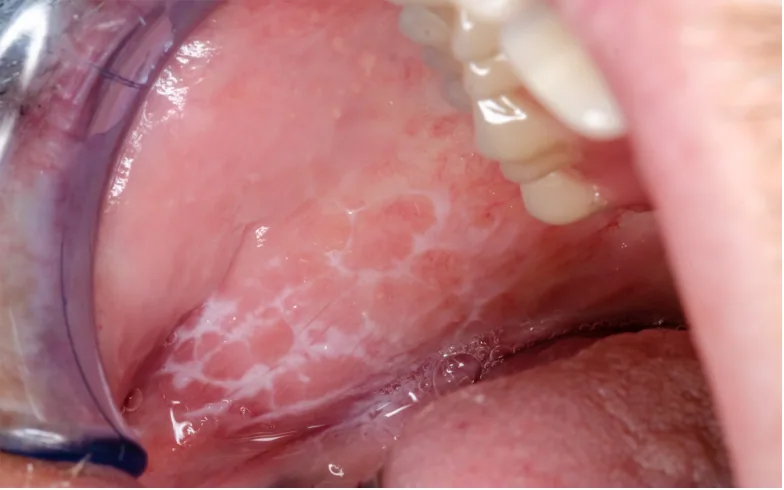
Lichen planus4
White patches inside of the cheeks, gums, tongue, or other parts of the mouth that is painful or itchy.

Recurrent aphthous stomatitis5
Canker sores or ulcers that appear on the tongue, gums, inner cheeks, or throat. They are typically round or oval shaped with a white or yellow center and a red border.
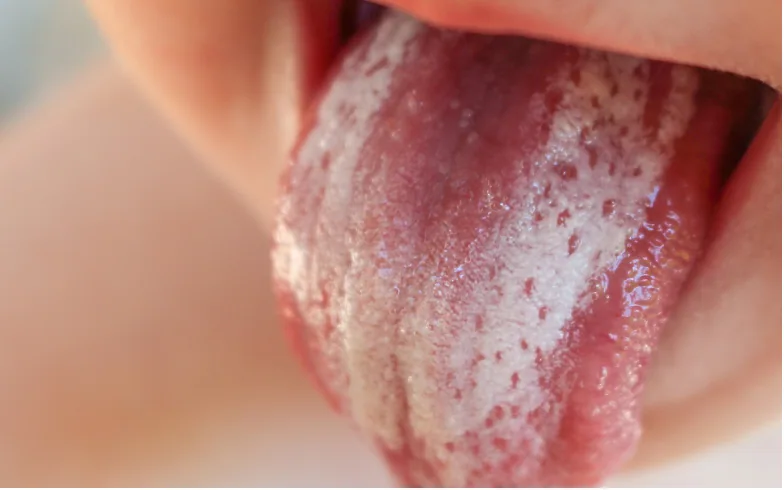
Oral fungal infection6
Caused by an overgrowth of fungi in the mouth, symptoms include white, creamy patches on the tongue, inner cheeks, roof of the mouth, or throat. These patches may be painful or cause a burning sensation.
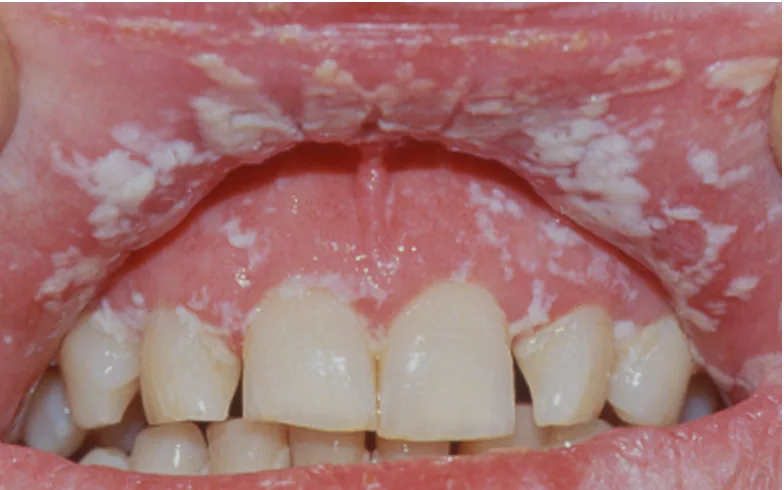
Oral infection (candidiasis)7
It appears as creamy, white patches or plaques on the tongue, inner cheeks, roof of the mouth, gums, or throat. These patches may be painful or cause discomfort, especially when eating or drinking. It is significantly associated with smoking, use of dentures and poor glycaemic control in adults with diabetes.

Taste disturbances8
Research indicates that people with diabetes may show impaired taste sensation, mostly for the sweet perception compared to other taste modalities. This sensory impairment can hinder the ability to maintain a healthy diet and may contribute to difficulties in regulating blood sugar levels.
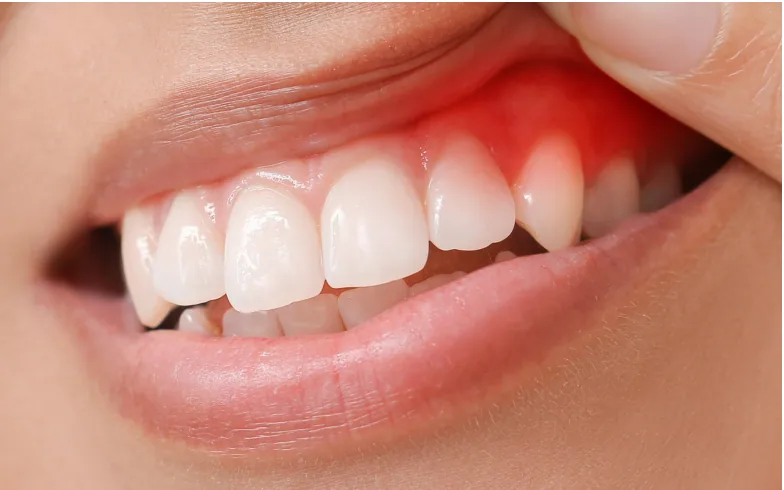
Gingivitis and periodontitis9,10
Diabetes is linked to the development and progression of various complications, and poorly managed diabetes, especially when combined with tobacco use, increases the risk of periodontal disease. Additionally, periodontal infections can impact glycemic control.
5 dental tips if you have diabetes1,11
 Visit your dentist regularly
 Practice good oral hygiene by brushing twice a day and flossing
 Monitor and maintain blood glucose at normal level
 Follow your doctor’s advice on diet and medication
 If you smoke, it’s time to quit
References: 1. https://www.healthxchange.sg/diabetes/complications-management/diabetes-gum-disease-tips 2. Ferizi L, Dragidella F, Spahiu L, Begzati A, Kotori V. The Influence of Type 1 Diabetes Mellitus on Dental Caries and Salivary Composition. Int J Dent. 2018;2018:5780916. 3. Rohani B. Oral manifestations in patients with diabetes mellitus. World J Diabetes. 2019 Sep 15;10(9):485-489. 4. https://my.clevelandclinic.org/health/diseases/17875-oral-lichen-planus 5. https://www.merckmanuals.com/home/mouth-and-dental-disorders/symptoms-of-oral-anddental-disorders/recurrent-aphthous-stomatitis 6. https://www.mayoclinic.org/diseases-conditions/oral-thrush/symptoms-causes/syc-20353533 7. https://www.webmd.com/oral-health/what-is-thrush 8. Pugnaloni S, et al. A Study on the Relationship between Type 2 Diabetes and Taste Function in Patients with Good Glycemic Control. Nutrients. 2020 Apr 16;12(4):1112. 9. Jezelle Sonnier., et al. “A Double Threat to Oral health: The Inflammatory Processes of Diabetes and Tobacco Use”. Acta Scientific Dental Sciences 8.5 (2024): 23-26. 10. Ranbhise JS, et al. Chronic Inflammation and Glycemic Control: Exploring the Bidirectional Link Between Periodontitis and Diabetes. Dentistry Journal. 2025; 13(3):100. 11. https://www.nidcr.nih.gov/sites/default/files/2019-03/diabetes-dental-tips.pdf